
Why Meta Ads works for car detailers
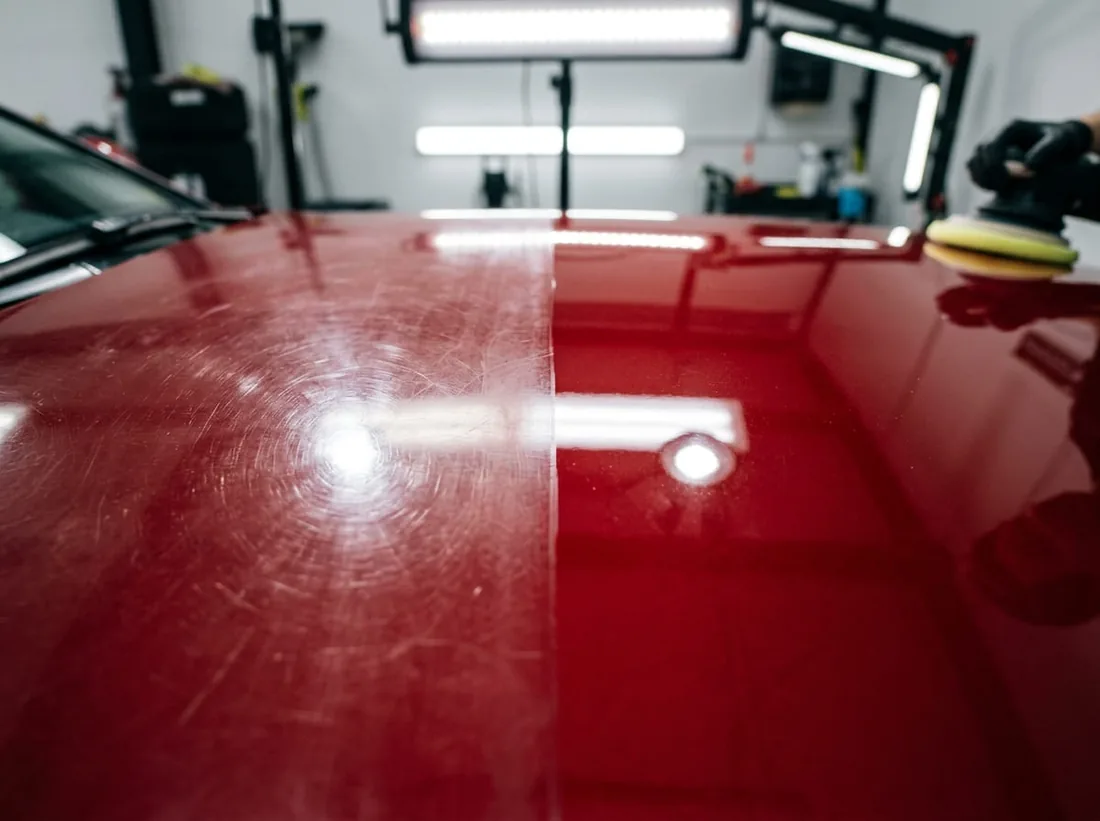
Ceramic coating, paint correction and full details are planned purchases. Most people who end up booking one were not searching for it last week; they saw a 50/50 correction shot or a water-beading clip and decided they wanted that for their own car. Facebook and Instagram reach those people, and an instant lead form turns the interest into a name, a phone number and a car.
Across the detailing ad sets we run, Wollongong has produced 254 leads at $13.21 and Perth 187 at $10.02, from $5.2K of total spend. The US benchmark for Meta lead campaigns across all industries is US$27.39 per lead (WordStream, 2026).
What our Meta Ads management for detailers includes

Campaigns with a lead objective
Built around conversions, not boosted posts optimised for likes.

Creative from your real work
Before-and-afters, beading, interior transformations and short video, tested against each other.
Instant lead forms
Name, phone, car and service captured inside Facebook or Instagram, sent to your phone in seconds.
Retargeting
People who visited your coating or correction page and did not book see the work again.
Meta Pixel and Conversions API
Installed on the site so Meta optimises toward real enquiries.
Geographic and audience targeting
Your real service radius, with audiences built around vehicle ownership and interest signals.
How we run Meta Ads for detailers
Where Meta Ads work for detailers, and where they do not
Meta wins on the planned, visual, higher-ticket jobs: coatings, correction, PPF, full interior restorations. It is weaker for "I need my car cleaned before Friday", where Google Search takes the enquiry. The detailing ad sets we run are built around coating and full-detail offers for that reason, and they are the cheapest leads in the whole agency at $11.86 blended.
Boosting a post is not a campaign
Boosting optimises for engagement: likes and comments from people who will never book. A lead campaign optimises for a completed form from someone in your radius, with the Meta Pixel feeding back which visitors turned into enquiries. The difference shows up directly in cost per lead.
The creative that works
Short before-and-after video and 50/50 correction shots outperform everything else we have tested. Text on the image is kept to the service and the area. One offer per ad set, one service per ad set, so the lead form asks the right questions and the call-back knows what the customer wants.
Speed to lead decides the close rate
A Meta lead is a person who stopped scrolling ten seconds ago. Called within five minutes they are still interested; called tomorrow they have forgotten. Every lead form we run delivers to your phone by SMS and email the moment it is submitted, and the speed-to-lead guide sets out the call-back routine that turns them into bookings.
Meta Ads and Google Ads together
Meta creates demand for the high-value jobs; Google captures demand that already exists. Retargeting joins them: someone who clicked a Google ad for ceramic coating and did not book sees your work on Instagram that evening. The comparison guide covers which to run first if the budget only stretches to one.
Standards we work to. Meta lead ads (the in-platform form most detailing campaigns use); the Meta Pixel (how website visits and enquiries are tracked for retargeting). Our own figures come from the accounts on the results page.